Reveal how anti-aging peptide ingredients work to support skin appearance, enhance texture, and promote a smoother, more youthful-looking complexion.
Healthy-looking skin is something many people aim to maintain over time. With age, visible changes such as fine lines may appear due to factors like sun exposure, environmental stress, and natural collagen changes. This is where anti-aging peptides are increasingly studied in modern skincare science.
Peptides are small chains of amino acids that are building blocks of proteins like collagen and elastin. These proteins help support the skin’s firmness and smooth appearance. Peptides are widely discussed among researchers and skincare professionals for their role in supporting skin appearance and overall condition.
Many formulations now include cosmetic peptides to support the skin’s structure and improve overall appearance. Understanding how these ingredients work can help in choosing suitable skincare solutions.
Anti-aging peptide is studied for their ability to signal skin processes related to collagen and elastin. When these proteins are supported, the skin may appear firmer and smoother.
Peptides occur naturally in the body, and their levels may change over time. When applied topically, they are used in skincare formulations designed to support skin appearance and texture.
Peptides are commonly associated with the following functions:
Researchers study peptides for their role in supporting collagen processes in skin cells.
They may help maintain the outer protective layer of the skin.
Formulations include some peptides aimed at improving moisture retention.
Certain peptides are studied for their role in improving the look of expression lines.
Skincare formulations widely use peptides due to these properties.
Peptides function differently depending on their type. Researchers have identified several categories used in skincare formulations.
Signal peptides are studied for their role in supporting collagen and elastin processes in skin cells. They are often included in products designed to improve skin firmness.
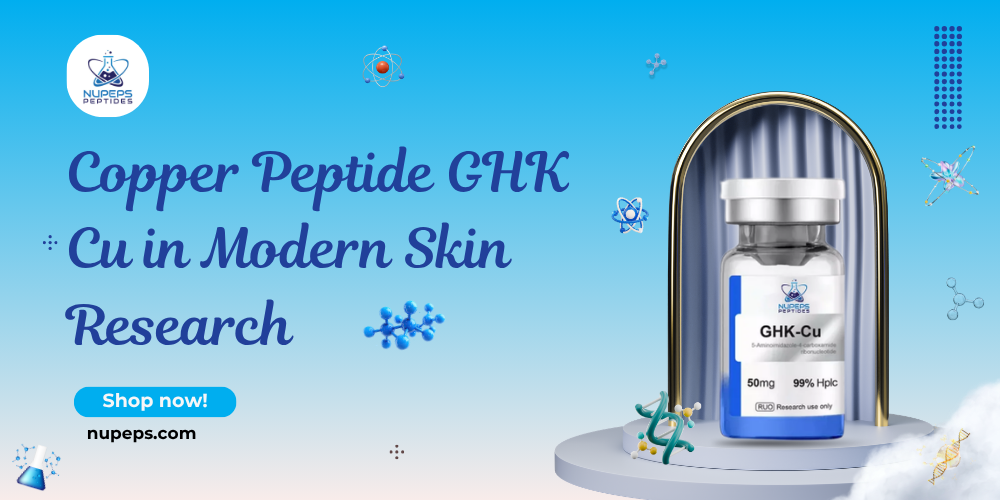
Carrier peptides help deliver trace elements such as copper to the skin. These nutrients are associated with skin maintenance. A commonly studied example is GHK-Cu, which is researched for its role in skin-related applications.
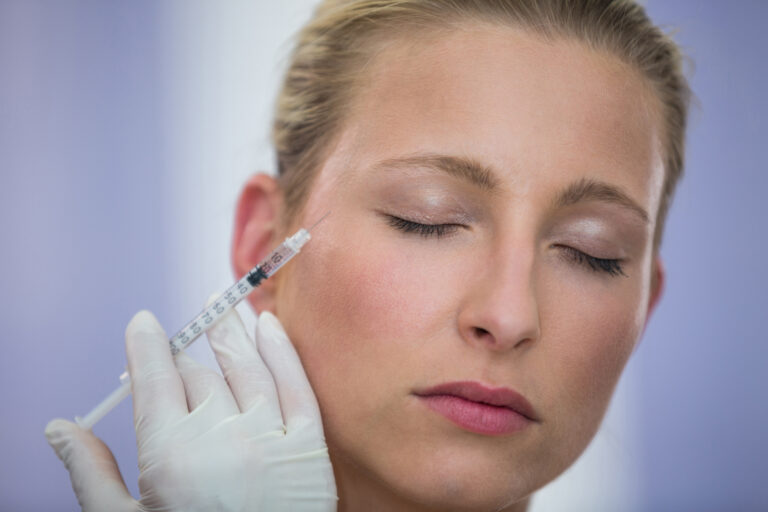
These peptides are studied for their role in influencing facial muscle movement, which may affect the appearance of expression lines. A commonly referenced example is Acetyl Hexapeptide-8, examined in skincare research for its cosmetic applications.
Interest in peptides has grown as researchers explore targeted approaches to support skin condition. Studies often focus on how peptides interact with skin processes related to structure and appearance.
Topical skincare products commonly contain peptide-based solutions, and researchers are exploring other applications in professional or clinical settings. These approaches aim to support the skin’s natural processes.
Peptides are also part of the broader category of skincare research, where ongoing studies examine how amino acid chains interact with the skin.
Peptide-based skincare products are commonly used to support overall skin appearance when included in a routine.
Key benefits may include:
Researchers often note that consistent use within a skincare routine may influence visible results.
Peptide technology continues to be explored in skincare research. Anti-aging peptides are studied for their role in supporting skin appearance, hydration, and overall condition.
As research develops, peptides remain an important topic in advanced skincare formulations. Ongoing studies continue to examine how these ingredients contribute to maintaining smoother and healthier-looking skin over time.
Peptides in skincare are short chains of amino acids that formulations use to support proteins like collagen and elastin. These proteins are essential for skin structure and appearance.
Signal peptides, carrier peptides, and neurotransmitter-inhibiting peptides are commonly studied in skincare research for their different roles in supporting skin appearance.
Peptide serums typically include a combination of peptides along with ingredients like hyaluronic acid and antioxidants, designed to support hydration and overall skin appearance.

Peptides are short chains of amino acids used in scientific research to study biological pathways, mimic protein regions, and support assay and method development.