Reproductive Health and Hormonal Regulation
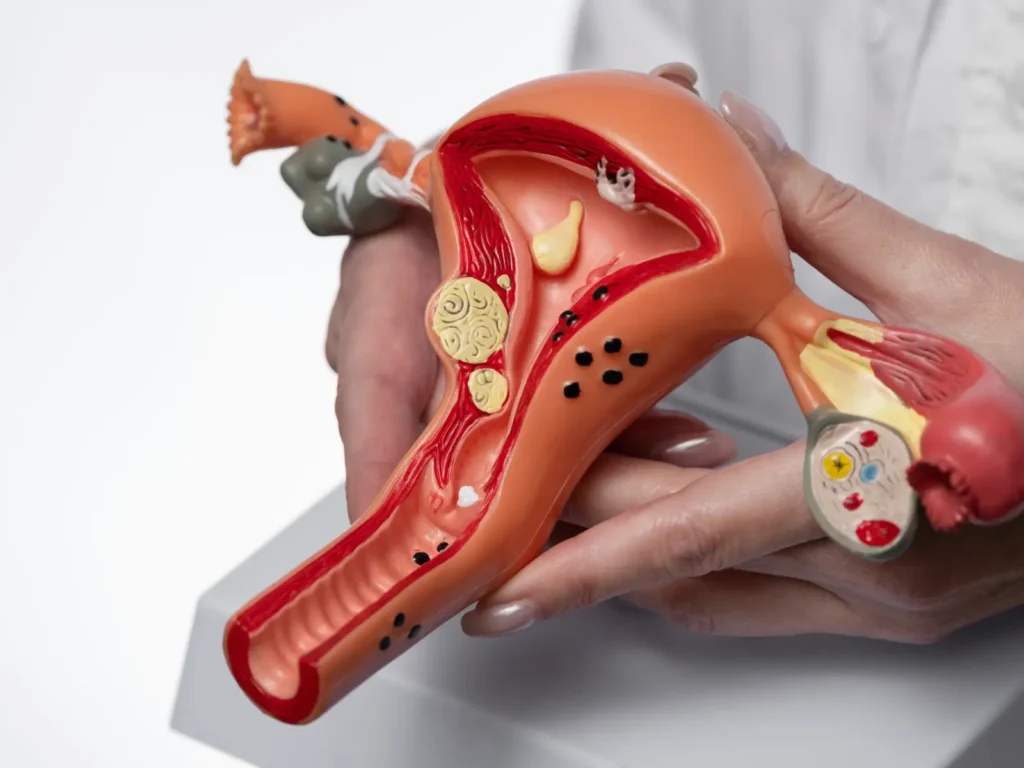
Reproductive health is a key part of human well-being and depends on the proper functioning of the endocrine system. At the center of this system is the hypothalamic-pituitary-gonadal (HPG) axis, which regulates processes such as gamete production, sex hormone balance, fertility, and sexual function. When hormonal signaling becomes disrupted, it can affect fertility, menstrual cycles, and overall reproductive function.
Other Application Areas

Peptide-based substances, known for their structural diversity and high biological activity, offer significant value beyond their well-established roles in metabolic regulation and immune modulation. They are increasingly applied in specialized fields such as respiratory health, cardiovascular protection, and experimental research. By enabling targeted mucosal repair, regulating cardiovascular signaling pathways, and serving as precise molecular tools for scientific studies, peptides overcome limitations of traditional therapeutics and enhance research innovation. Their advantages—high target specificity, low immunogenicity, and customizable synthesis—support their expanding impact across multiple scientific disciplines.
Neurological and Cognitive Health

The nervous system governs cognition, emotion, and overall body function through highly complex signaling and neurotransmitter networks. When these systems are disrupted—whether through degeneration, inflammation, or injury—conditions such as cognitive decline, anxiety, depression, Parkinson’s disease, Alzheimer’s disease, and neural trauma can arise.
Muscle and Tissue Repair

Muscle and tissue repair are essential biological processes responsible for maintaining mobility, structural strength, and recovery after injury. These processes rely on tightly coordinated mechanisms such as cell proliferation, extracellular matrix (ECM) remodeling, angiogenesis, and inflammation regulation. Key areas—such as muscle development, wound healing, joint repair, and recovery from sports injuries—depend on accurate modulation of satellite cells, fibroblasts, cartilage matrix metabolism, and neuromuscular junction repair.
Metabolic and Endocrine Regulation
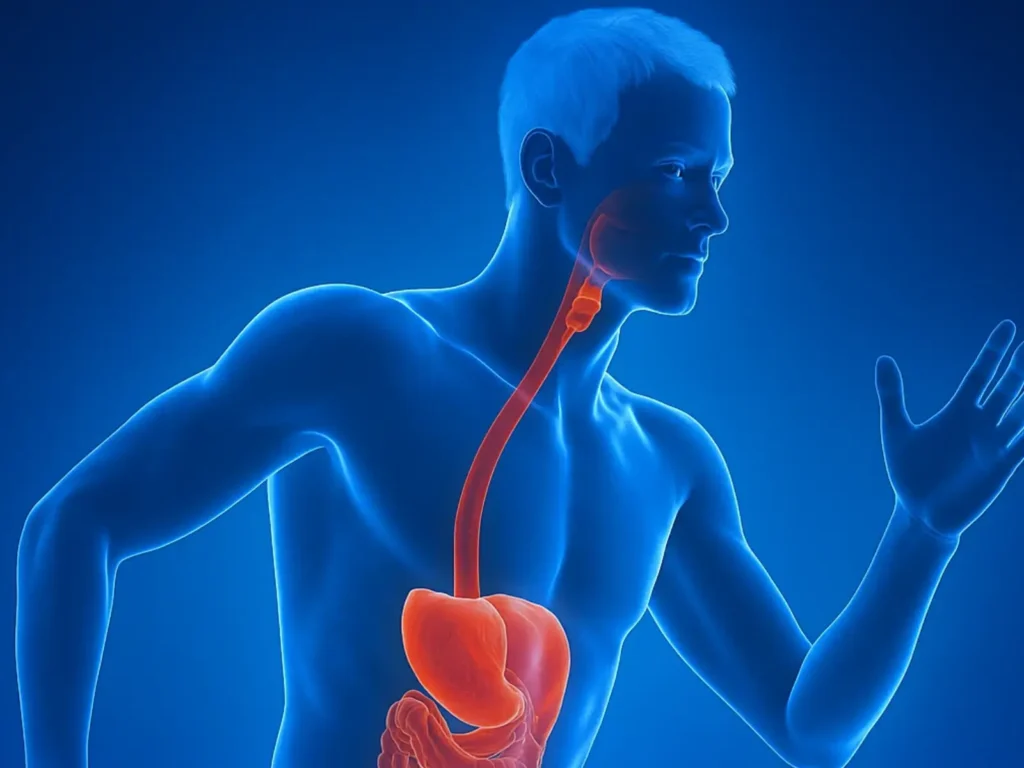
The metabolic and endocrine systems work together to maintain energy balance, material metabolism, growth, and overall physiological stability. When this balance is disrupted, conditions such as diabetes, obesity, metabolic syndrome, and growth disorders can occur. Factors like poor diet, sedentary habits, lack of sleep, stress, and environmental triggers can disturb hormonal signaling, cause inflammation, and negatively affect metabolic health.
Immunity and Anti-inflammation
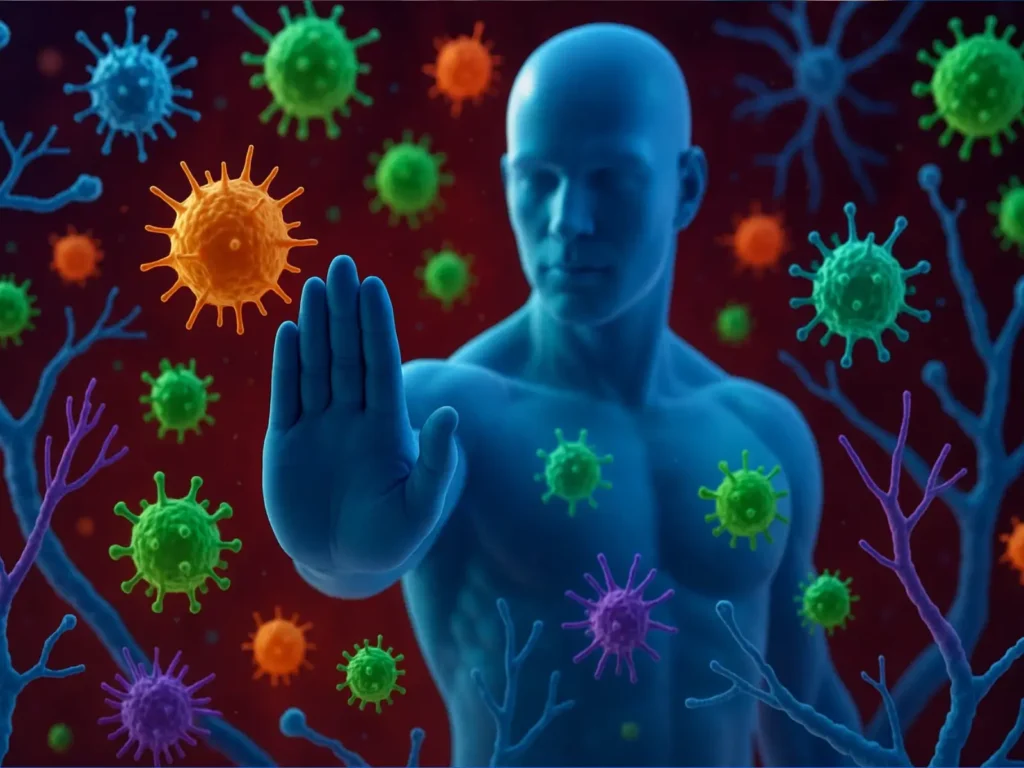
The immune system maintains balance in the body through a highly coordinated network of cells, receptors, and signaling molecules. When this system becomes dysregulated, it can lead to infections, chronic inflammation, or autoimmune disorders. Effective immune support and anti-inflammatory regulation require precise control over immune cell activity, inflammatory signaling pathways, and mechanisms that maintain immune tolerance.
Antioxidation and Liver Health
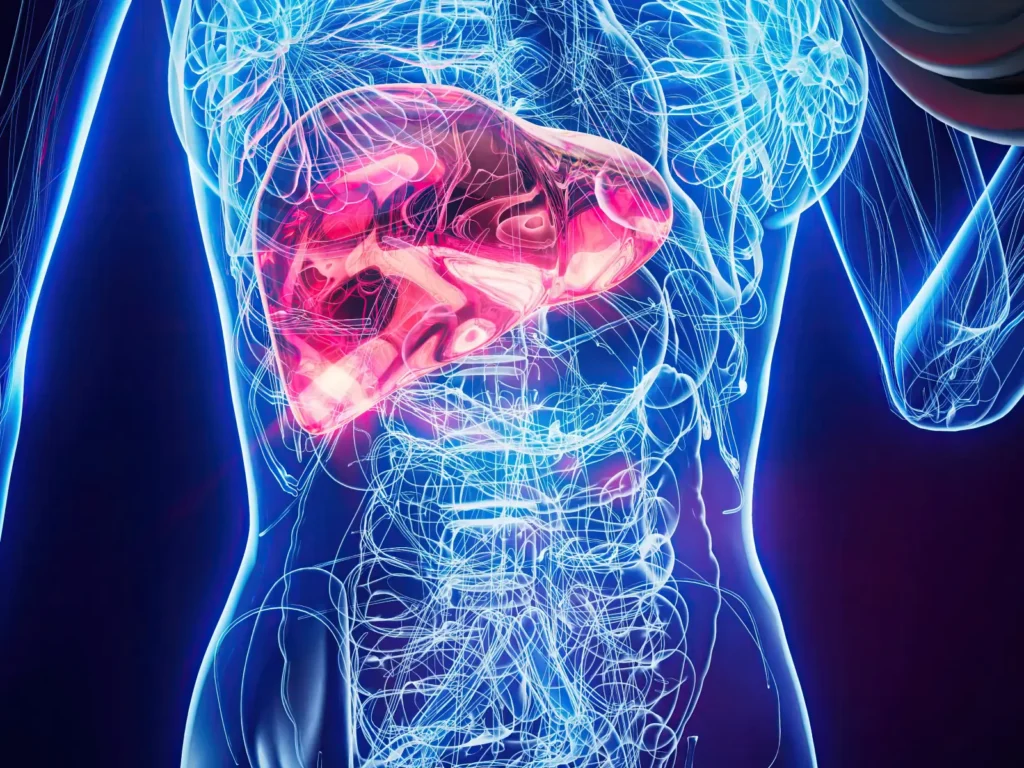
The liver is one of the body’s most important metabolic and detoxification organs. It performs essential functions including biosynthesis, energy storage, and the clearance of harmful substances. Factors such as oxidative stress, toxin buildup, and metabolic imbalance contribute to liver injury, fatty liver disease, and the development of fibrosis.
Anti-aging and Cosmetology

Aging and skin concerns develop through a combination of biological processes, including collagen loss, oxidative stress, melanin accumulation, telomere shortening, and reduced cellular energy production. Bioactive peptides offer targeted and highly compatible solutions by acting on these pathways with precision. Through structure-optimized or naturally-mimicking molecules, peptides help reinforce the skin barrier, support repair, improve texture, […]